
 Skip to content
 Become an AMP Member! LEARN MORE
January 25, 2026
The terms resin bound and resin bonded are often confused, yet they describe two very different surfacing systems. Choosing the wrong one for a driveway can result in higher maintenance, loose stones, and disappointing performance.
This guide explains the differences clearly, without technical jargon, so you can make the right decision for your property.
A resin bound driveway is created by mixing resin and aggregate together before being laid onto the surface. The result is a smooth, seamless finish where every stone is fully encapsulated.
This system is fully permeable, allowing water to drain naturally through the surface. It is designed specifically for vehicle traffic and is the preferred choice for residential driveways in Ireland.
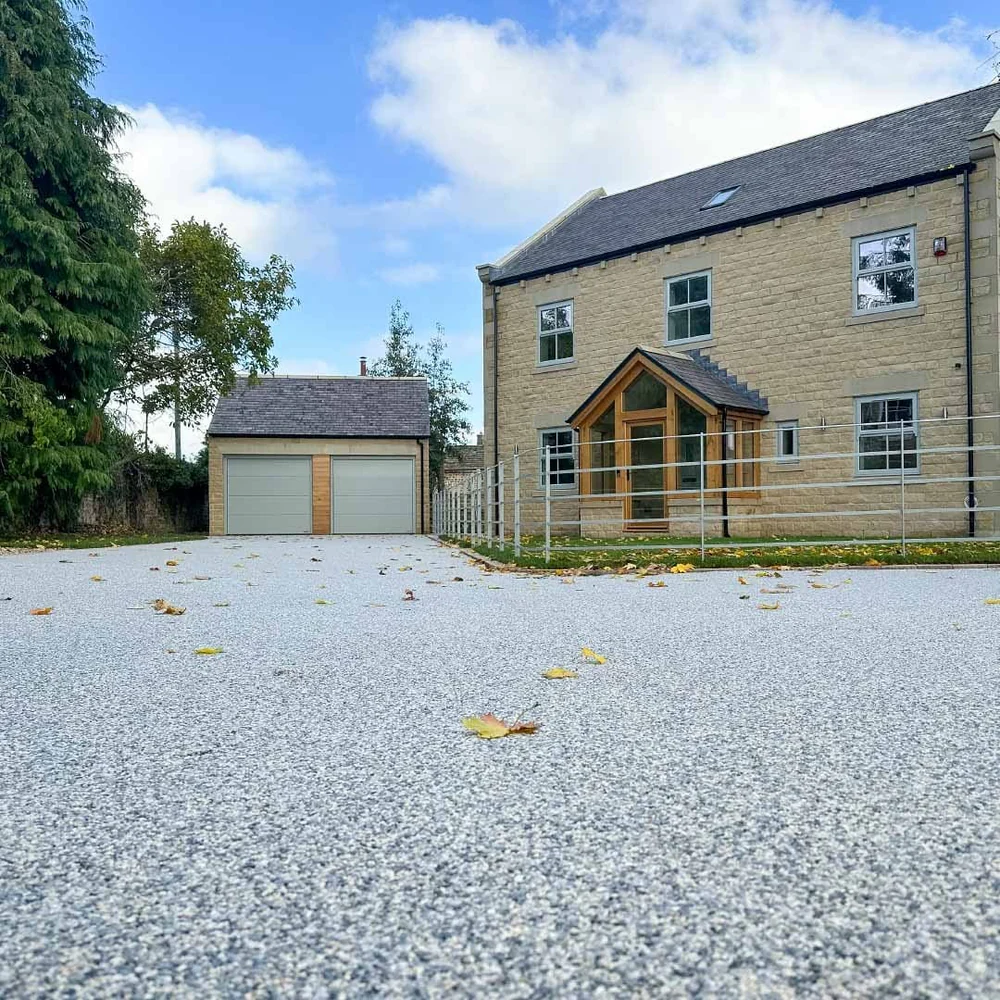
Resin bonded systems work differently. Resin is applied to the surface first, and loose stones are scattered on top. While this creates a textured appearance initially, the stones are not fully bound within the surface.
Over time, loose stones can detach, leading to patchiness and increased maintenance. Resin bonded surfaces are more commonly used for decorative pathways or low-traffic areas.
Drainage is one of the most important differences between the two systems. Resin bound driveways allow water to pass through the surface, helping to prevent puddles and surface runoff.
Resin bonded driveways are not permeable, meaning water flows across the surface rather than through it. In Ireland’s climate, this can lead to standing water and drainage issues.
Resin bound systems are designed to handle vehicle weight evenly across the surface. This makes them ideal for driveways used daily.
Resin bonded surfaces do not offer the same structural strength and are more prone to wear, especially under repeated vehicle use.
Initially, both systems can look attractive, but the difference becomes clear with time. Resin bound driveways maintain a consistent appearance, while resin bonded surfaces often lose stones and develop uneven patches.
For homeowners seeking a clean, modern finish, resin bound is usually the better option.
Resin bound driveways require minimal maintenance beyond occasional cleaning. Resin bonded surfaces, on the other hand, need regular sweeping and stone replacement to maintain appearance.
Lower maintenance usually translates to better long-term value.
Feature | Resin Bound | Resin Bonded |
Permeable | Yes | No |
Loose stones | No | Yes |
Suitable for driveways | Yes | Limited |
Maintenance | Low | Higher |
Finish | Smooth & uniform | Textured |
Longevity | Long-term | Shorter lifespan |
For residential driveways in Ireland, resin bound is the correct and recommended choice. Resin bonded surfaces are better suited to decorative areas rather than load-bearing applications.
Choosing between resin bound and resin bonded is less about appearance on day one and more about how the surface will perform over time. While both systems use similar materials, they are designed for very different purposes.
For residential driveways, resin bound systems provide the drainage, strength, and durability needed for daily vehicle use. Resin bonded surfaces, although visually appealing in certain settings, are better suited to decorative or low-traffic areas where load-bearing performance is not critical.
Understanding this distinction helps homeowners avoid costly mistakes and ensures the driveway solution chosen is fit for purpose. When the right system is installed in the right environment, resin surfaces deliver both practical performance and long-lasting visual appeal.
If you’d like advice, a quote or just to see some sample colours, please get in touch. We’re friendly, local and happy to help you learn about resin driveways.
Resin bound mixes stones with resin, while resin bonded scatters stones on top.
Resin bound is the better option for driveways.
Yes, loose stones are common over time.
Yes, they allow water to drain through the surface.
Usually, but it requires more maintenance and has a shorter lifespan.
 BannerText_Seraphinite Accelerator